Dream, Believe, Inspire: Crafts for School Amp
As a digital publisher who has spent years curating visuals for high-traffic blogs and editorial sites, I approach every new graphic design asset with a critical eye. It is not enough for an image to simply look good; it must perform. It needs to stop the scroll, communicate a message instantly, and integrate seamlessly into a complex web design ecosystem. When I first encountered the Dream, Believe, Inspire collection, my immediate reaction was one of recognition. This is the kind of versatile, emotionally resonant typography that bridges the gap between personal passion projects and professional small business branding.
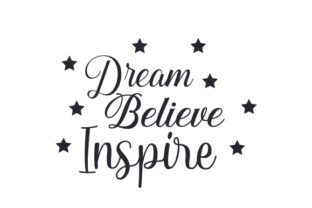
The visual mood of Dream, Believe, Inspire is undeniably uplifting. It carries an educational yet artistic weight that feels perfectly at home in niches focused on personal growth, homeschooling resources, teacher materials, and creative entrepreneurship. The design does not scream for attention with chaotic colors or overly busy patterns; instead, it relies on strong typographic hierarchy to deliver its message. For a blog designer, this is gold. It means the asset can serve as the hero of a layout without competing with your headline text or call-to-action buttons. It feels modern, clean, and sufficiently bold to stand out on a crowded Pinterest feed while remaining elegant enough for a sophisticated newsletter header.
Integrating Typography into Real Publishing Workflows
In my daily workflow, I am constantly searching for assets that can be repurposed across multiple channels without losing quality. The Dream, Believe, Inspire design excels here because of its format flexibility. Receiving this design in SVG, Transparent PNG, EPS, and DXF formats means it is ready for anything from a retina-ready website banner to a large-format printable poster. For those of us managing content for School Amp initiatives or crafting communities, having vector files like SVG and EPS ensures that the lines remain crisp whether the image is shrunk down for a mobile thumbnail or blown up for a conference backdrop.
Consider the application for blog graphics. A standard article about "Fostering Creativity in Children" or "Setting Goals for the New Year" often lacks a strong visual hook. Placing the Dream, Believe, Inspire motif as a featured image instantly establishes an emotional connection with the reader. It signals that the content within is motivational and actionable. Furthermore, for affiliate marketing campaigns promoting educational tools or craft supplies, this asset serves as an excellent overlay for product mockups. It adds a layer of aspirational value to the product, making the affiliate link more clickable.
Elevating Social Media and Newsletter Performance
We cannot ignore the power of vertical real estate. When designing a Pinterest pin, the goal is to create a visual interruption that forces a pause. The clear, declarative nature of "Dream, Believe, Inspire" works exceptionally well here. Because the phrase is short and impactful, it can be read in a fraction of a second as a user scrolls rapidly. I recommend pairing this graphic with a solid background color or a subtle texture to maximize contrast. For social media graphics on Instagram or Facebook, this asset acts as a perfect story sticker or post centerpiece, reinforcing brand identity without requiring custom illustration work.
Beyond social media, this design shines in email marketing. Newsletter creators know that open rates often depend on the pre-header and the visual appeal of the top fold. Using Dream, Believe, Inspire as a header graphic for a weekly roundup of educational tips or creative challenges sets a positive tone before the subscriber even reads the first sentence. It transforms a standard text-heavy email into a branded digital product experience. For online educators, this could easily become the cover art for a digital guide or a worksheet included as a lead magnet to grow an email list.
Strategic Considerations for Editorial Design
While the potential applications are vast, a seasoned publisher knows that context is everything. There are specific scenarios where Dream, Believe, Inspire should be used with caution. For instance, in very serious professional niches like corporate finance or legal advice, the inspirational tone might feel too soft or informal. Similarly, if you are working on a layout that is already text-heavy, adding this graphic could create visual clutter. It works best when given breathing room. Avoid placing it over busy photography where the transparency of the PNG might not provide enough contrast against complex backgrounds.
Another critical factor is mobile optimization. What looks majestic on a 27-inch monitor can become illegible on a smartphone screen if the details are too fine. Before publishing, always test the asset on various devices. Check how the SVG renders on different browsers and ensure the stroke width of the letters remains visible on small website header placements. If you are using this for category thumbnails, ensure the text "Dream, Believe, Inspire" is large enough to be read without zooming. Remember, visual hierarchy is key; if the graphic distracts from the navigation or the main headline, it needs to be scaled back or repositioned.
Technical Execution and Licensing
From a technical standpoint, the inclusion of DXF files opens up possibilities for physical merchandise, which is a huge plus for Crafts enthusiasts and makers looking to monetize their audience. You can use these files with cutting machines to create physical goods that match your digital content, creating a cohesive omnichannel brand experience. However, when dealing with digital downloads and commercial products, licensing is paramount. Always confirm the commercial license terms before using this asset in a product you intend to sell, such as a printed workbook or a paid Canva template. Most assets from a creative marketplace come with specific rules regarding resale and distribution.
To get the most out of this design asset, experiment with typography pairings. While the graphic itself is typographic, it will likely sit alongside other fonts in your layout. Try placing it beside a classic serif font for an editorial look, or pair it with a handwritten script to enhance the personal, human touch. Test it in black and white to ensure it holds up without color, which is essential for printable resources where users may not have color ink. Finally, pay attention to file size. Even high-quality PNGs should be compressed for web performance to ensure your page load speeds remain optimal, a crucial factor for SEO and user retention.
Ultimately, Dream, Believe, Inspire is more than just a pretty image; it is a strategic tool for content creators. It offers a shortcut to professional-looking editorial design while providing the emotional resonance needed to engage readers. Whether you are building a resource library for teachers, launching a new line of motivational prints, or simply trying to make your blog posts more shareable, this asset provides the polish and credibility that modern audiences expect. By integrating it thoughtfully into your content marketing strategy, you can elevate your brand identity and create a more inspiring experience for your audience.