Giraffe Reading a Book: A Designer’s Review
As an embroidery designer who has spent years digitizing patterns and critiquing finished stitches, I approach every new machine embroidery design with a mix of curiosity and skepticism. We have all seen those cute animal motifs that look charming on a screen but turn into a tangled mess of thread breaks and puckering once they hit the fabric. That is why I took a close look at Giraffe Reading a Book. This isn’t just about whether the image is cute; it is about whether it holds up under the needle in real-world applications.
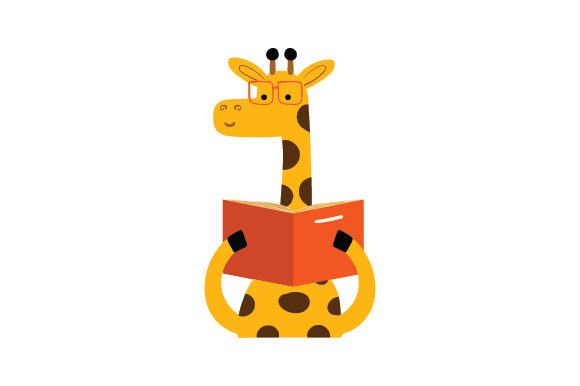
The first impression of this design is one of quiet whimsy. The silhouette of a giraffe engaged in reading creates an immediate narrative. It suggests patience, intelligence, and a touch of humor. For those of us in the crafts industry, specifically within the School Amp category, this thematic alignment is crucial. It fits naturally into educational settings, library promotions, or back-to-school merchandise without feeling forced. The layout appears balanced, avoiding the common pitfall of having too much visual weight on one side, which can cause hoop drag during stitching.
Visual Appeal and Stitching Clarity
When evaluating an embroidery file, I always look at how the shapes translate to thread. A giraffe has distinct features: long neck, ossicones (the horn-like bumps), and a spotted pattern. In Giraffe Reading a Book, the integration of the book is key. If the book is too small, the details might get lost in a satin stitch border. If it is too large, it overwhelms the character. From what I can assess, the proportion seems intentional, allowing the viewer to recognize the action immediately.
The mood this design creates is calm and inviting. It is not aggressive or overly complex, which makes it versatile. For a handmade product, this approachability is a selling point. Customers are drawn to designs that tell a simple story. Whether you are creating a personalized gift for a young reader or a decorative piece for a classroom, the visual personality of this design supports the message. It feels friendly and accessible, which is exactly what you want for items intended for children or educational environments.
Real-World Application Scenarios
Let’s talk about where this design actually works. I recently considered a project for a local boutique that specializes in literacy-themed apparel. Giraffe Reading a Book would be an excellent candidate for a tote bag design. Tote bags often use heavier canvas fabrics, which can handle moderate stitch density well. The design’s horizontal spread likely fits nicely across the front panel without distorting the bag’s structure.
Another strong use case is sweatshirt embroidery. Hoodies and crewnecks provide a large, stable surface area. Placing this design on the left chest creates a subtle, professional look suitable for library staff or teachers. Alternatively, scaling it up for the back of a jacket could make a bold statement for a school reading club. The contrast between the giraffe’s typical yellow-orange tones and the heather gray of a sweatshirt would pop beautifully, provided you select the right thread colors.
For baby embroidery projects, such as bibs or onesies, caution is required. While the theme is perfect for nurseries, the size of the design must be reduced significantly. This brings us to the technical limitations.
Technical Considerations and Fabric Constraints
No design is universal, and Giraffe Reading a Book is no exception. You must consider the hoop size relative to the design dimensions. If you are working with a 4x4 inch hoop, you need to ensure the design fits without excessive trimming or resizing that compromises detail. Resizing an embroidery design by more than 10% can distort stitch angles and cause coverage issues.
Fabric texture plays a massive role here. On textured fabrics like terry cloth or waffle knit, fine details may disappear. If you plan to stitch this on a kitchen towel or a plush blanket, consider using a slightly larger version of the design to maintain clarity. Conversely, on thin or stretchy fabrics, you must use a high-quality stabilizer. A cut-away stabilizer is often best for garments that will be washed frequently, ensuring the design does not pucker over time.
Dark fabrics present another challenge. If you are stitching on navy or black, you cannot rely on the natural color of the giraffe. You will need to use a light underlay or switch to lighter thread shades to ensure visibility. Always test your digital embroidery file on scrap fabric first. Check the tension, the bobbin thread visibility, and the overall lay of the stitches. This step saves hours of frustration and prevents ruined client garments.
Commercial Viability for Etsy Sellers and Makers
For Etsy sellers and small shop owners, the versatility of a design determines its ROI. Giraffe Reading a Book has strong potential for commercial embroidery because it appeals to a specific niche: parents, teachers, and book lovers. This specificity allows for targeted marketing. You are not just selling a giraffe; you are selling a love for reading.
When creating printable mockup assets for your online store, show the design in various contexts. Display it on a tote bag, a pillow cover, and a cap. This helps buyers visualize the finished product. Remember, customers buy with their eyes. A well-presented mockup can increase conversion rates significantly. Ensure that your product descriptions highlight the quality of the digitization and the suitability for different items.
However, be mindful of licensing. The product description states you receive SVG, Transparent PNG, EPS, and DXF files. These formats suggest the design might be intended for both cutting machines and embroidery. If you are using it for embroidery, ensure your machine can read the specific format provided or convert it properly. If you are selling physical items made with this design, confirm the license terms allow for commercial use. Most designers allow selling finished physical goods, but reselling the digital file itself is typically prohibited. Always double-check before listing items in your craft business.
Practical Designer Notes for Best Results
To get the most out of Giraffe Reading a Book, follow these practical steps:
- Test on Scrap Fabric: Never stitch directly on your final garment. Use a similar fabric weight and type to test tension and density.
- Check Thread Contrast: Ensure the giraffe stands out against the background. Use a color wheel to find complementary or contrasting shades.
- Review Stitch Density: If the design feels stiff after stitching, the density might be too high for lightweight fabrics. Adjust if possible or choose heavier material.
- Inspect Small Details: Look closely at the book and the giraffe’s face. Are the stitches clean? Are there any jumps or loose threads?
- Use Proper Stabilizer: Match the stabilizer to the fabric. Tear-away for stable woven fabrics, cut-away for knits and stretchy materials.
- Confirm Hoop Size: Measure the design dimensions against your hoop. Leave at least half an inch of margin around the design.
In conclusion, Giraffe Reading a Book is a thoughtful addition to any designer’s library. It balances charm with practicality, making it suitable for a wide range of embroidery projects. By understanding its strengths and limitations, you can create high-quality, professional-looking items that resonate with customers. Whether you are decorating a custom apparel line or crafting a unique holiday embroidery gift, this design offers a solid foundation for creative expression. Treat it with the care it deserves, and it will serve your small shop product lineup well.