Old-School Motorcycle: A Designer's Review for Real Projects
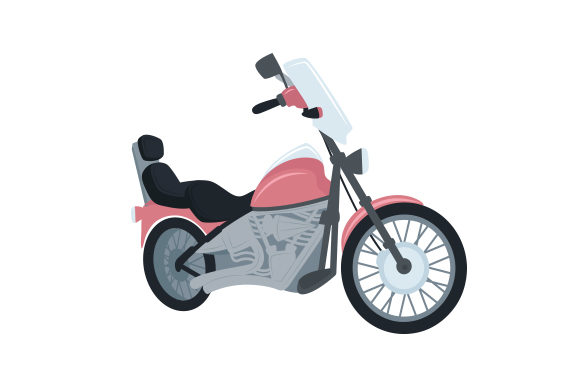
When I first pulled up the Old-School Motorcycle file on my screen, I wasn't just looking at a digital asset; I was immediately visualizing the texture of thread against heavy canvas. As someone who spends hours digitizing and stitching for clients, my first impression is always about mood and feasibility. This design captures that gritty, nostalgic garage vibe perfectly. It feels less like a generic clipart image and more like a badge of honor for anyone who loves vintage mechanics. The lines are bold, suggesting a strong silhouette that will hold up well under the needle, which is exactly what you want when moving from a digital embroidery file to a tangible handmade product.
Visual Personality and Stitch Potential
The layout of the Old-School Motorcycle suggests a design that relies on strong shapes rather than overly intricate, fragile details. In the world of machine embroidery, this is often a win. Complex, tiny details can get lost or cause bird-nesting, especially on textured fabrics. From what I can see in the preview, this design seems optimized for clarity. Whether it utilizes a mix of satin stitch for the outlines and fill stitch for the body panels, or perhaps a clean running stitch for technical accents, the visual weight feels balanced.
This balance is crucial for craft business owners. When a customer sees an embroidered patch or a custom jacket, they judge quality by how crisp the edges look. A design with too much stitch density can pucker lightweight fabric, while one that is too sparse looks cheap on heavy materials. The Old-School Motorcycle appears to strike a middle ground, making it versatile enough for a tote bag design or a sturdy sweatshirt embroidery project without demanding excessive stabilization tricks.
Real-World Application: The Custom Workshop Apron
To truly test a design in my mind, I run a specific scenario. Let's say a client runs a boutique motorcycle repair shop and wants branded apparel for their team. They need something durable, professional, and thematic. The Old-School Motorcycle fits this Garage aesthetic effortlessly. I imagine stitching this onto a heavy-duty canvas apron.
In this context, the design needs to withstand oil stains, frequent washing, and rough handling. Because the motif is iconic and recognizable, it adds immediate value to the garment. It transforms a standard utility item into a piece of custom apparel that builds brand identity. If I were selling this as a finished product on Etsy, I would pair it with a distressed font to create a cohesive label. The reaction from a customer receiving this would likely be one of appreciation for the attention to detail—it shows the maker understands the culture, not just the craft.
Versatility Across Product Lines
Beyond aprons, where else does this shine? The possibilities for a small shop product line are extensive:
- Caps and Hats: The curved surface of a cap can be tricky. If the design has large solid areas, it might pull. However, if the Old-School Motorcycle is digitized with proper underlay, it could make a fantastic front-panel logo for a trucker hat.
- Tote Bags: Canvas totes are forgiving. This design would look excellent as a central focal point, perhaps using contrasting thread colors like cream or rust orange against a navy or black bag.
- Pillow Covers: For home decor, this fits right into a masculine or industrial-themed living room. It works well as a statement piece on a leather or denim pillow cover.
- Holiday Gifts: Think Father's Day or Christmas. A personalized gift featuring this bike on a kitchen towel or blanket adds a thoughtful, hobby-specific touch that generic store-bought items lack.
Technical Considerations and Fabric Choices
While the design looks promising, a responsible Etsy seller or decorator knows to proceed with caution regarding materials. Not every fabric plays nice with every embroidery file. Here is where practical judgment comes in:
If you are working with stretchy fabrics like jersey knits for baby embroidery or t-shirts, you must use a high-quality cut-away stabilizer. The weight of the stitches in a vehicle design can cause knit fabrics to warp over time if not supported correctly. Similarly, on dark fabrics, you need to ensure the digitizing includes a proper underlay to prevent the background fabric from peeking through the fill areas, which can ruin the definition of the motorcycle's wheels and engine details.
For commercial embroidery projects involving high-volume production, check the hoop size requirements. If the design is large, it might require re-hooping, which introduces alignment risks. Always verify the dimensions against your machine's capabilities before committing to a production run. Additionally, if you plan to use this on textured towels or blankets, be aware that the fabric texture can sometimes obscure fine running stitches, so a bolder approach might be necessary.
Enhancing Brand Value and Customer Trust
Using a well-chosen design like Old-School Motorcycle directly impacts your perceived professionalism. When a buyer sees clean, intentional stitching, it builds trust. It tells them you care about the finished product. In contrast, a poorly executed design with puckering or thread breaks can damage your reputation instantly. This specific motif, with its classic appeal, helps establish a consistent brand voice for shops focusing on vintage, automotive, or rugged lifestyles.
Furthermore, having the right design assets allows for better marketing. You can create printable mockups that show the design on various products before you even stitch a single thread. This helps in pre-selling items or gauging interest on social media, saving you time and material costs.
Final Designer Notes and Best Practices
Before you start stitching or listing this item for sale, here is my checklist for ensuring success with the Old-School Motorcycle:
- Test First: Always stitch a sample on scrap fabric similar to your final material. Check for registration issues and thread tension.
- Color Contrast: Experiment with thread palettes. While black and chrome are classic, trying sepia tones or vintage muted colors could offer a unique twist for a holiday embroidery collection.
- Review Details: Zoom in on the smallest parts of the design. Are there tiny gaps that might close up during stitching? Adjust your tension or density if needed.
- Check Licensing: Since this falls under Crafts and potentially commercial use, confirm the license terms provided with the SVG, PNG, EPS, and DXF files. Ensure you are cleared to sell finished physical goods if that is your goal.
- Mockup Testing: View the design in black and white to ensure the shape holds up without relying on color differentiation. This is vital for visibility on monochromatic garments.
In conclusion, the Old-School Motorcycle is more than just a graphic; it is a versatile tool for creators. Whether you are decorating a single personalized gift or building a catalog of design assets for a growing craft business, this design offers the structural integrity and aesthetic charm needed for high-quality embroidery work. With the right preparation and material selection, it can become a staple in your portfolio, delighting customers who appreciate the blend of mechanical history and handmade artistry.